Becoming Brave: How Summer Programs Teach Kids To Hold Their Own
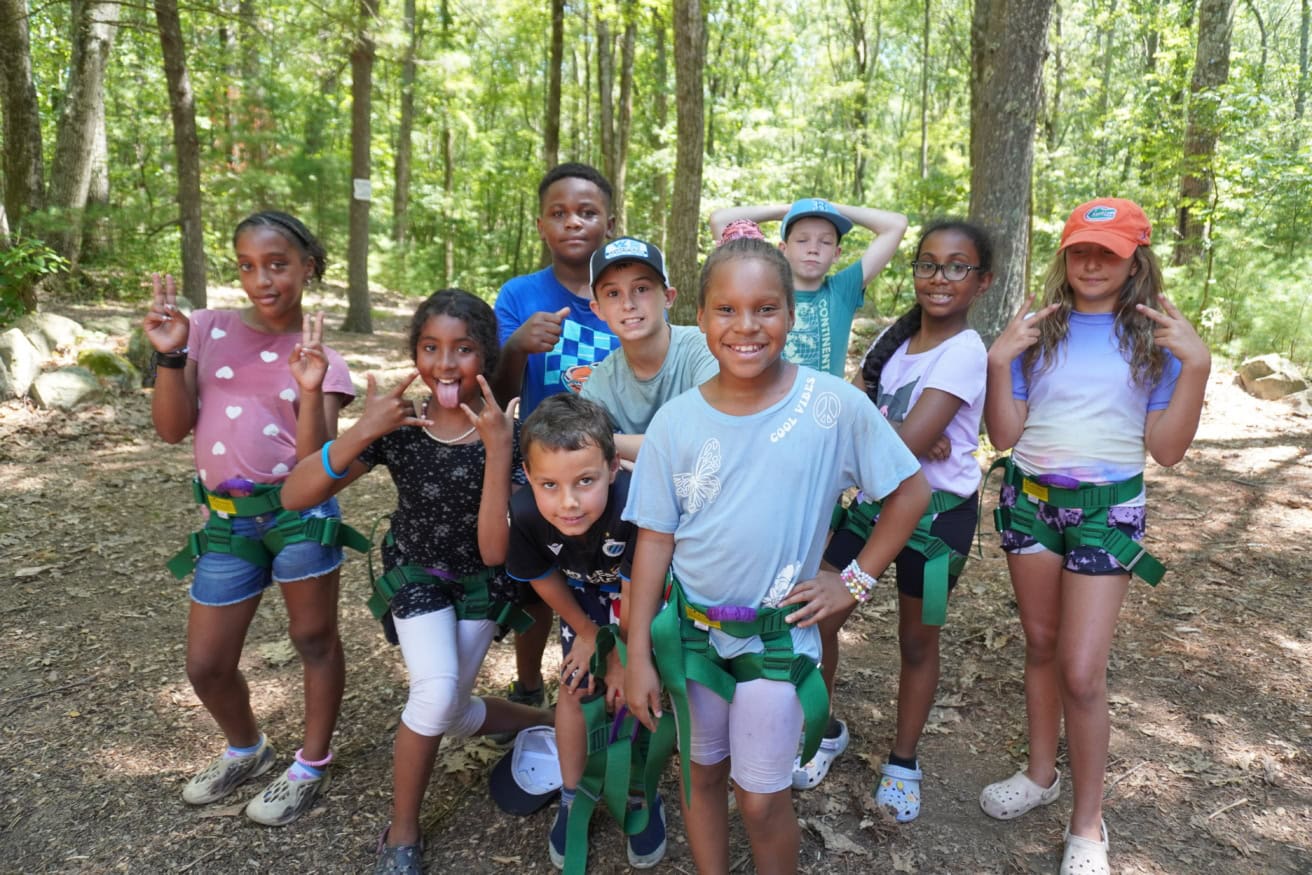
Camp is about more than sunshine and s’mores — the best programs encourage kids to become who they want to be. Through intentional practices that prioritize choice and culture rooted in community, they help children build independence and resilience. Campers in these programs gain something deep and long-lasting: skills that extend far beyond the summer months.
“For many of our 4- and 5-year-old Kindercampers, it’s their first experience going somewhere unfamiliar,” says Amelia Porter, Director of Hale Day Camp. “Independence begins with them getting on a bus for the first time and saying goodbye to whoever is dropping them off.”
As campers grow, so should their freedom to choose their own adventures. Free time and flexibility, provided safely and with clear boundaries, allows them to explore their own interests. Electives, field games, and a spirit of “challenge by choice” heightens their sense of adventure. Extended time to dive deeper into preferred activities, such as swimming or arts and crafts, fosters focus and fascination.
These approaches expand their social circles as well. Campers connect with peers in their assigned groups, but they also form new friendships with people who share their interests.
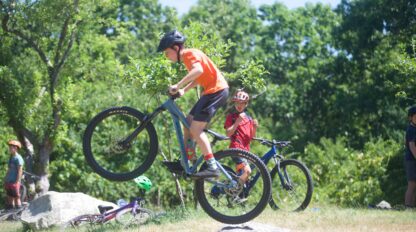
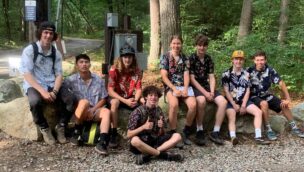
Independence takes on an even deeper dimension for youth through leadership development programs. Campers trusted with big projects and meaningful responsibility learn to navigate interpersonal challenges with increasing maturity. Whether they’re learning to be camp counselors, wilderness guides, or mountain biking coaches, high schoolers who shadow staff, run meetings, and design and lead camp activities become the next generation’s role models.
The Power of Choice
Strong programs follow a clear daily structure, while still providing ample opportunity for campers to choose their own activities.
Mornings might include knowledge blocks, where campers receive academic instruction certain subjects. STEM activities and social-emotional learning are often woven into the curriculum as well. Afternoons might include traditional camp activities like archery, boating, swimming, and arts and crafts.
If a camper isn’t connecting with a particular activity, there are alternative options available — art supplies during sports, a ball during arts and crafts — so children can remain engaged in ways that feel authentic to them.
“Our counselors always have what we call a ‘bag of tricks,’” says Erik Phelan, Director of Hale Outdoor Learning Adventures.
Why does that matter?
“When you allow campers to choose what they want to do, they get to learn from each other,” Phelan explains. During open play, campers often invent games adults have never heard of. “All of a sudden, they get to teach each other. Moments of leadership reveal themselves.”
And that choice fosters independence and leadership. Over the course of the summer, that transformation influences the community.
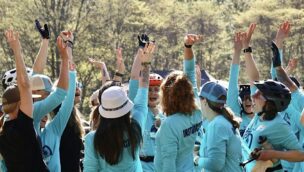
“Week one, there’s so much tentativeness,” Phelan says. “But then by week five, there’s this feeling of ownership, like it’s truly their place. It’s their camp.”
Expanding Comfort Zones
One of the clearest ways a program can build resilience is by practicing a philosophy known as “challenge by choice.”
Challenge by Choice approaches make participation voluntary, and they assume everyone who chooses to engage does so in one of three frames of mind: in their comfort zone, their challenge zone, or their panic zone. The goal? To help each camper gradually leave their personal comfort zone, explore their challenge zone, and resist stepping too far too fast — which would push them into their panic zone.
“Someone’s going to present you with a challenge,” Porter explains to campers, “but it’s up to you to decide if and how you’re going to accept that challenge.”
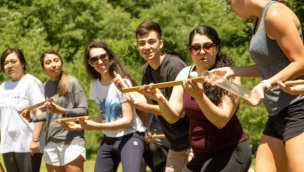
On the challenge course, that might mean climbing to the top of a high ropes element for one camper, and one step up a ladder for another. It can also mean serving as a harness checker, acting as a belayer, or pulling with the haul team.
Porter recalls a middle school camper who climbed close to the top of an element, but asked to come down. Then, once safely on the ground, he decided to try again — overcoming his hesitation and making it to the top.
“He pushed past his own fears, but he also changed others’ expectations of him,” she reflects.
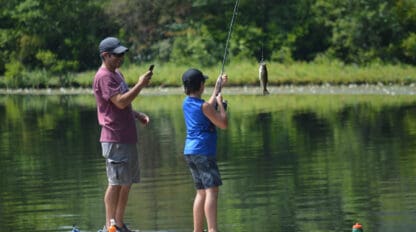
At the waterfront, lifeguards see similar growth. Campers who refuse to wade into the pond eventually dunk their heads underwater, and eventually jump off docks.
Resilience isn’t about dramatic breakthroughs. It’s about steady, supported growth.
Nature as a Healthy Reset
The outdoor setting itself plays a powerful role in helping campers regulate and refocus.
“What we find is our campers’ attention is naturally tested by the outdoors,” Phelan says. A bird flying by, a woodpecker tapping, a chipmunk darting across the trail — these small moments can divert a camper’s focus, but they also offer important mental breaks.
“Once that thing is out of sight, they naturally find themselves coming right back to the lesson or the group,” he explains.
This observation is supported by research. Attention Restoration Theory suggests attention can be thought of as being directed or involuntary.
Directed attention is “the kind of attention that we use at work or at school where you as an individual person are deciding what you’re paying attention to. And it’s thought that that kind of attention is fatigable or depletable—that you can only sort of direct your attention for so long before you become mentally fatigued and it’s hard to pay attention anymore,” explains Dr. Marc Berman. “That’s different from involuntary attention, which is the kind of attention that we think is automatically captured by interesting stimulation in the environment.”
Rather than fighting distraction, nature provides healthy outlets that allow campers to reset and return, thereby building self-regulation.
An Empathetic Approach
Building independence does not mean pushing without support. Staff trained to front-load activities with encouragement and normalize different comfort levels ensure there’s no single, “right” way to complete a challenge.
Perceptive counselors slow things down when campers are struggling, listen to what they’re feeling, and offer alternatives rather than ultimatums. Strong relationships are the foundation of that support.
“The more that they know who you are and connect with you, the more they’re going to tell you when things upset them… and the more that they trust what you say when you’re giving them advice,” Porter explains.
That relational trust allows campers to take risks, not because they are forced to, but because they feel safe enough to try.
By the time summer winds down, growth isn’t always dramatic, but it is unmistakable. It shows in the camper who walks confidently up to a group instead of hanging back. In the child who jumps into the pond after weeks of watching from the dock. In the teen who solves a disagreement with a friend without asking an adult to intervene.
These aren’t just camp moments — they’re life skills in practice. Independence isn’t about pushing kids to grow up faster, and resilience isn’t about “toughening them up.” The best camps give kids space to try, to hesitate, to make mistakes — to choose, reflect, and try again. They surround campers with adults who believe in their capacity, and with peers who grow alongside them.
When campers leave camp at the end of the summer, they return to school with more than memories of trails, swimming lessons, and campfire songs. They bring with them quiet but powerful knowledge: I can do hard things. I can figure it out. I belong here. That’s the kind of camp experience that lasts.
Learn more about Hale Summer Camps, Youth Leadership Development Programs, and Intrepid Academy at Hale.