Nature for all. Forever.
Conservation and Sustainability
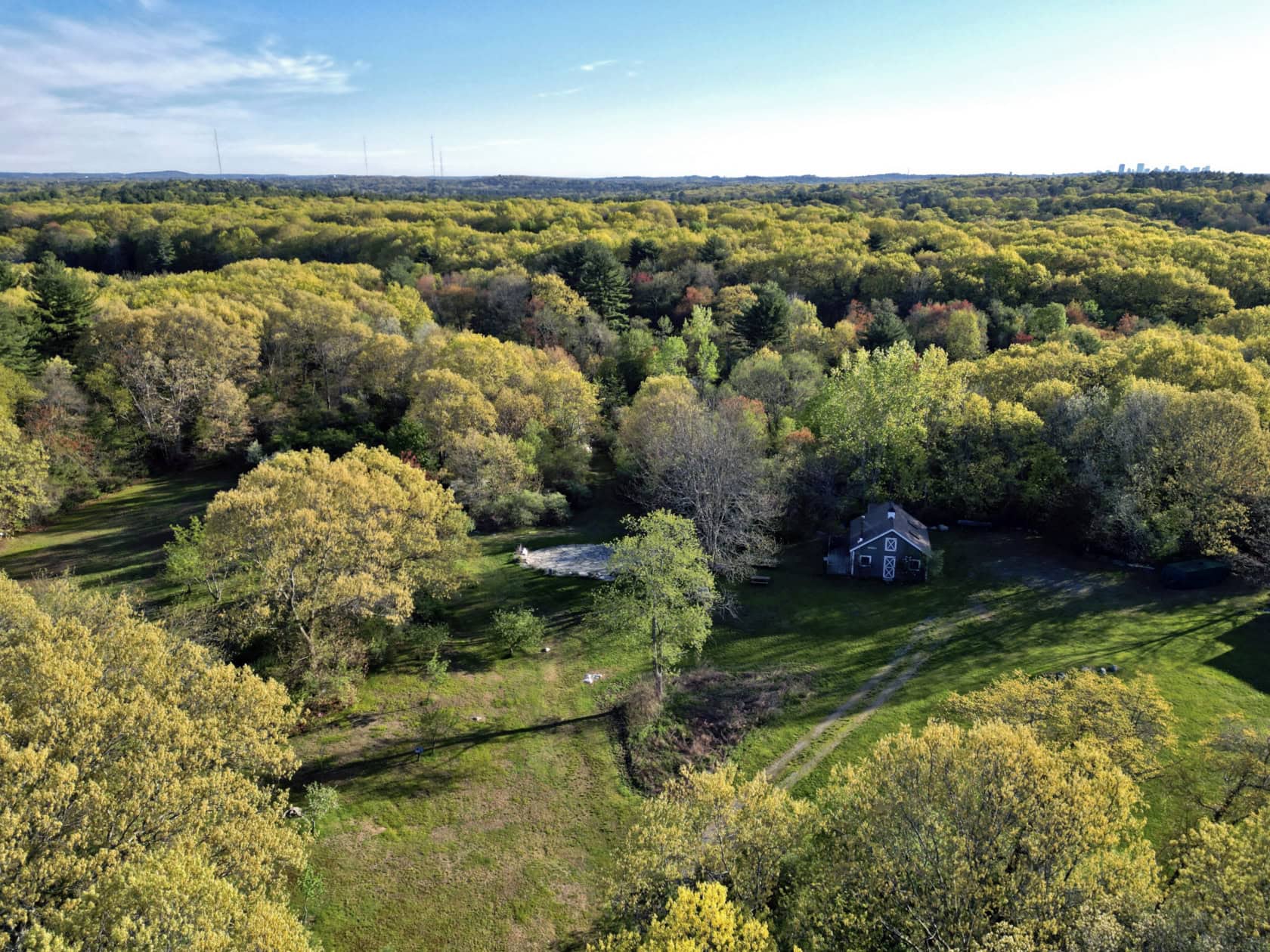
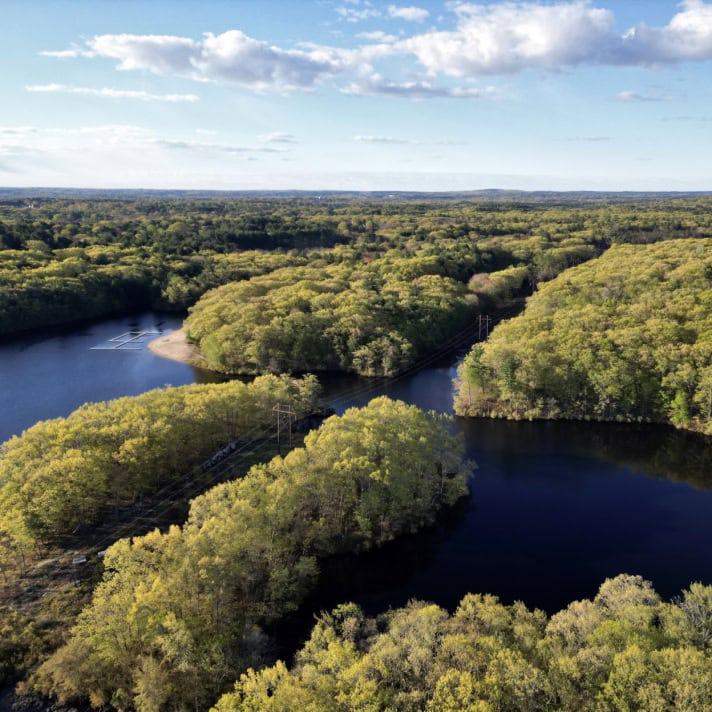
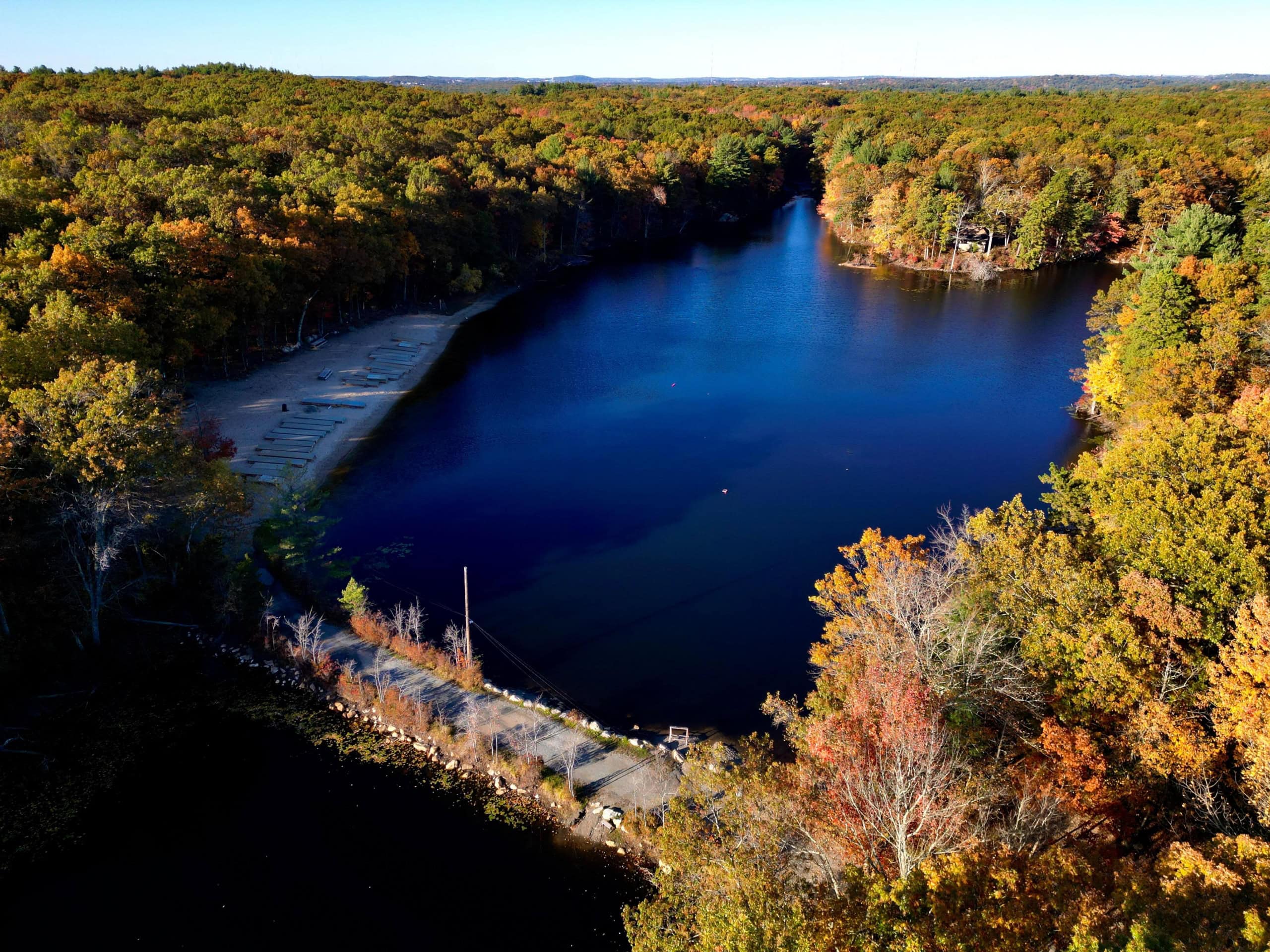
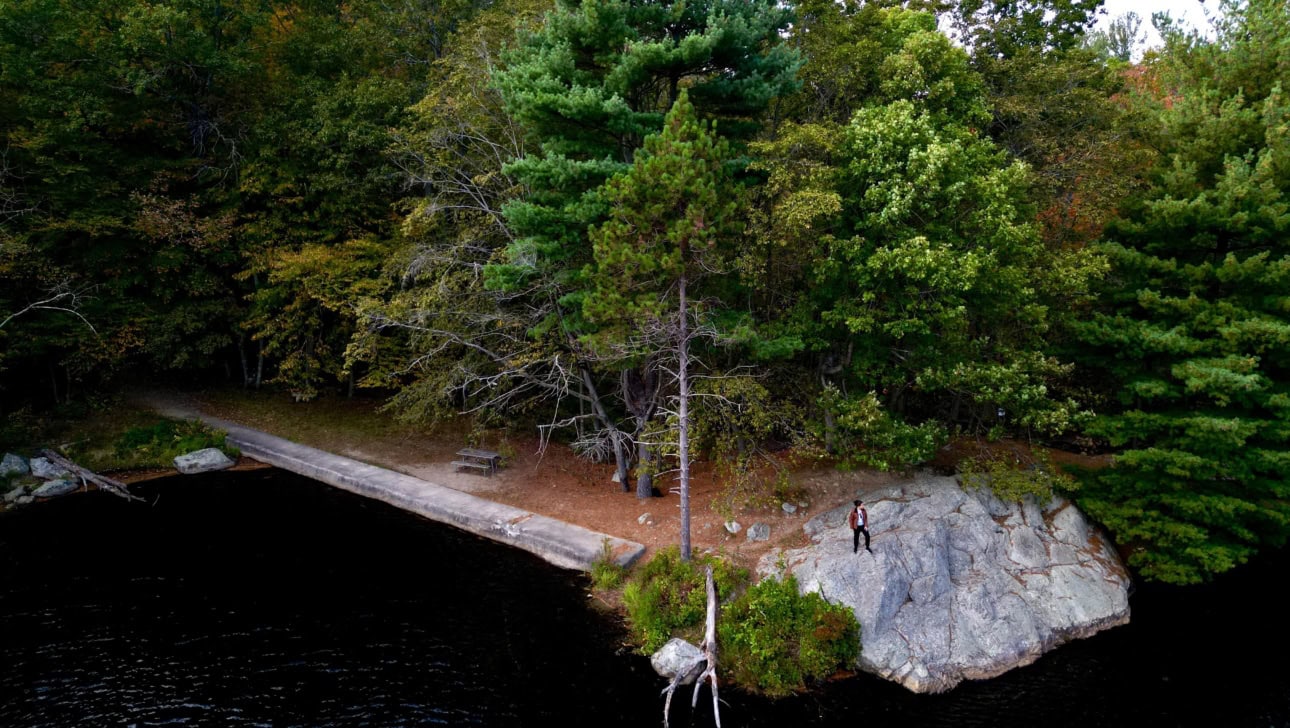
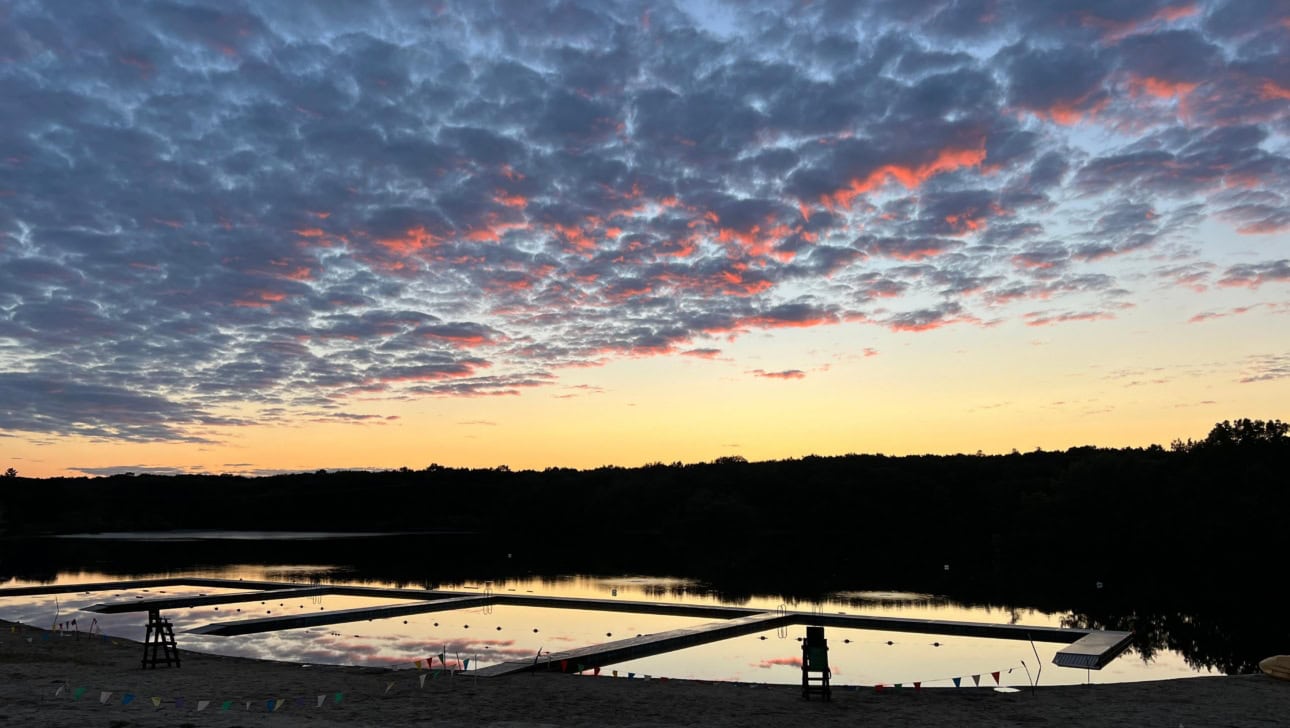
Hale is now Greater Boston’s largest privately owned, publicly accessible open space protected by conservation restrictions.
Nature for All. Forever.
Officially recorded on August 21, 2026, our landmark conservation effort permanently protected over 1,100 acres of Hale’s open space in Dover and Westwood, forever preserving the property for generations to come.
Everlasting Nature
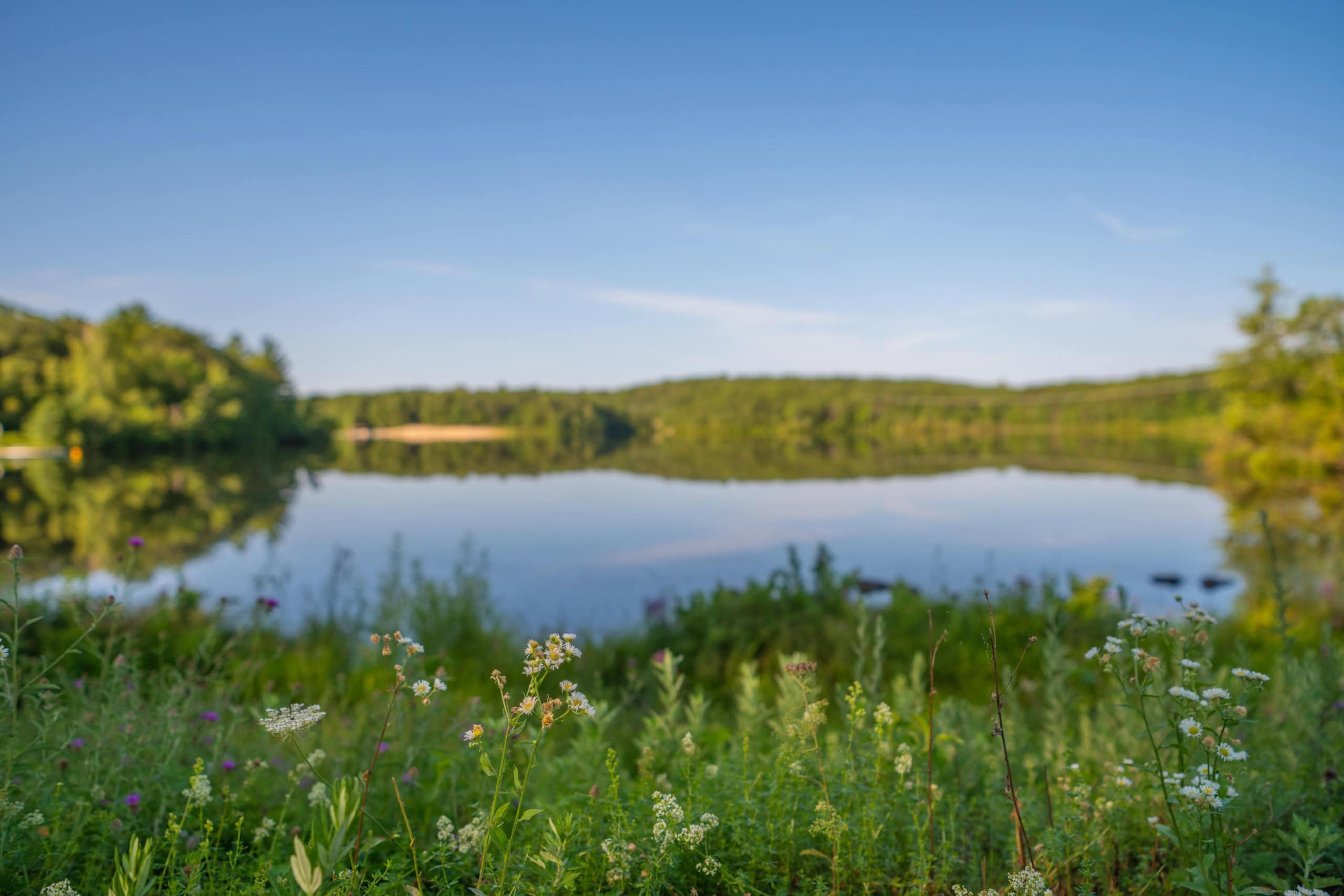
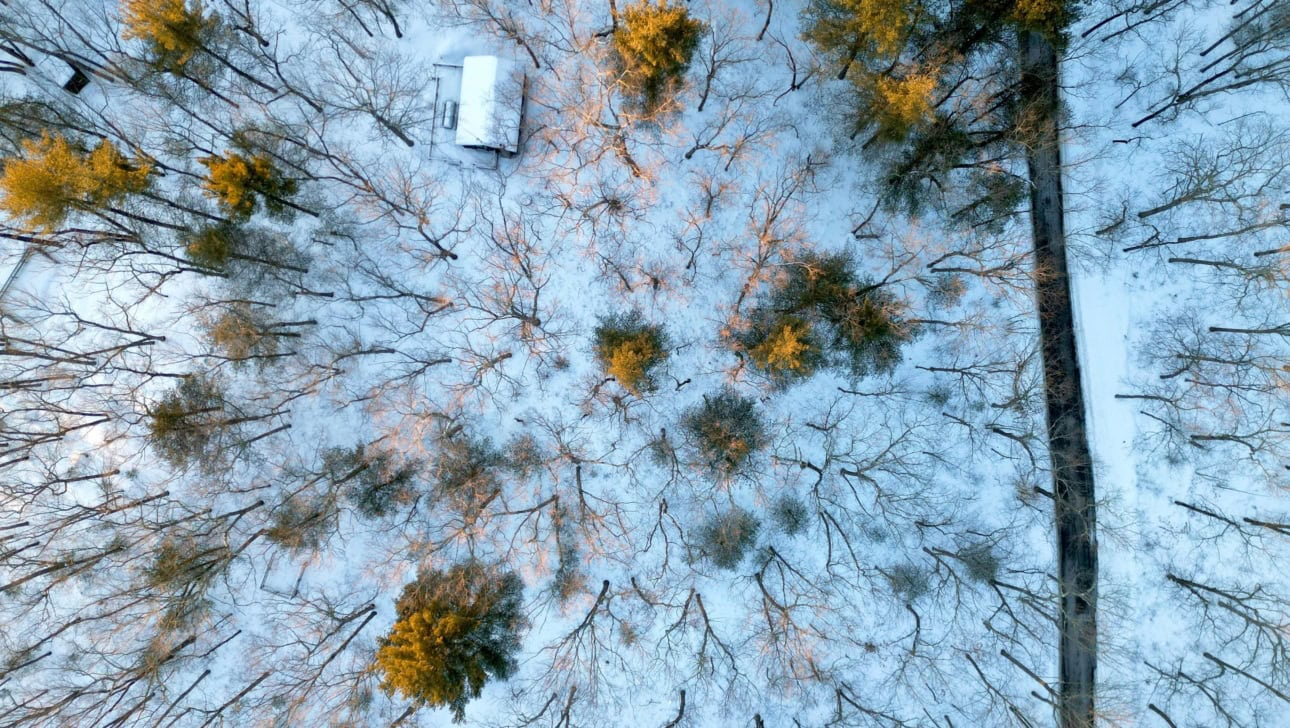
Hale’s 1,100 protected acres ensure conservation across several contiguous properties, including others held by The Trustees of Reservations, the Dover Land Conservation Trust, and more. This extensive network strengthens biodiversity, connects trail systems, and supports ecology.
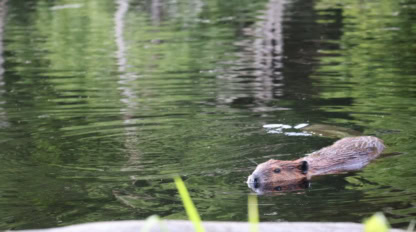
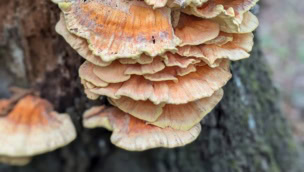
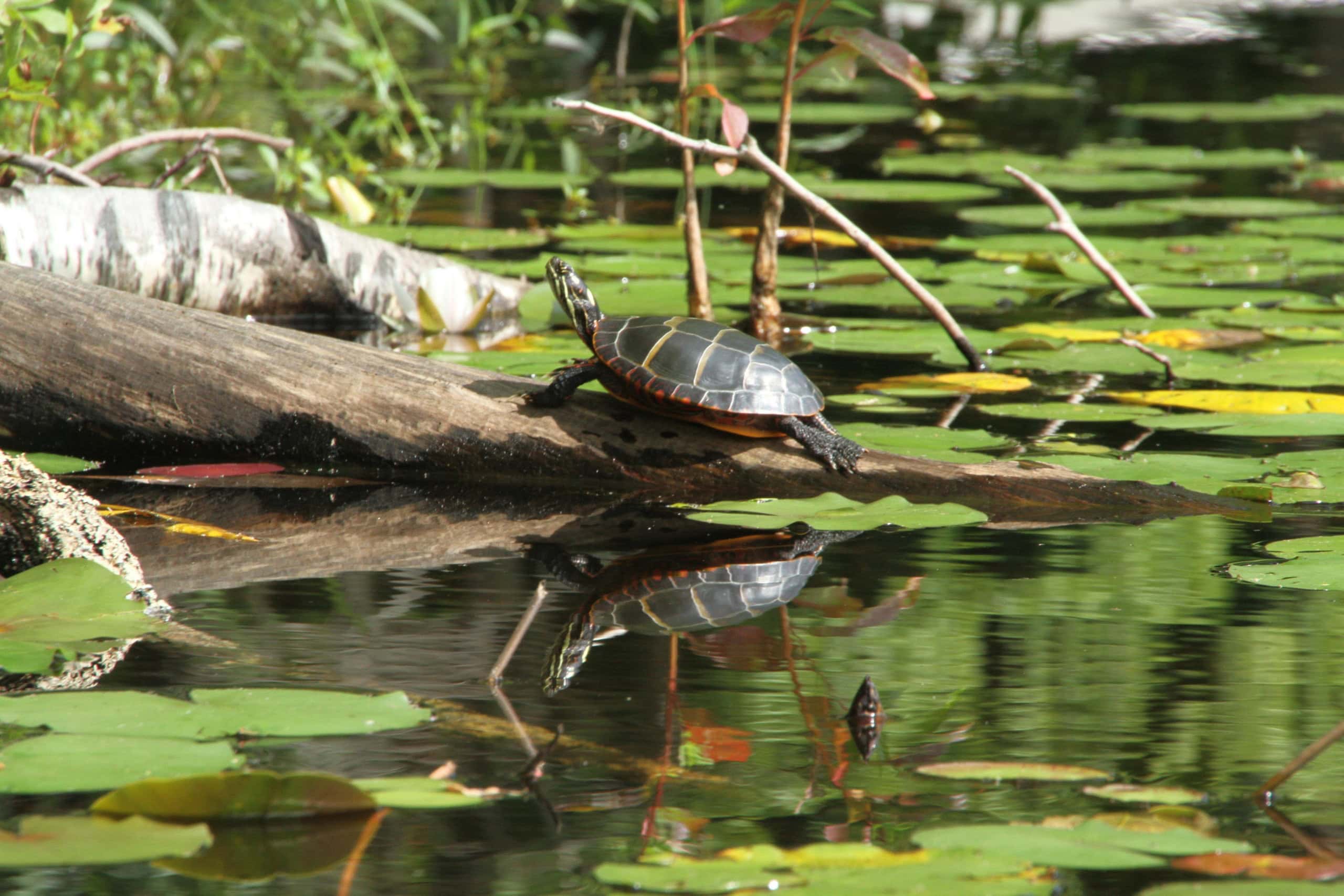
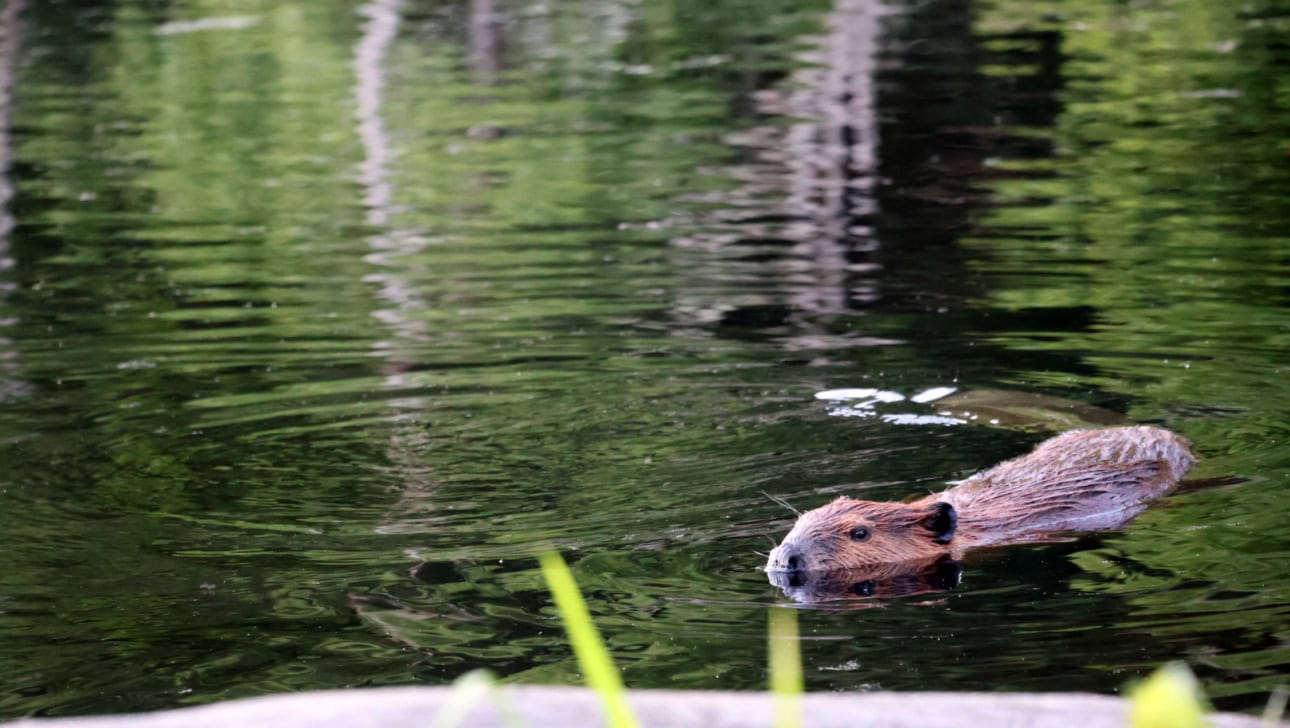
As open space becomes increasingly scarce, Hale’s forests, wetlands, and waterways are more than scenic; they’re essential. Forests capture carbon and improve air quality, wetlands filter water and prevent flooding, and diverse habitats support native plants and wildlife. Protecting land from future development ensures these systems can thrive — for their own sake, and for ours.
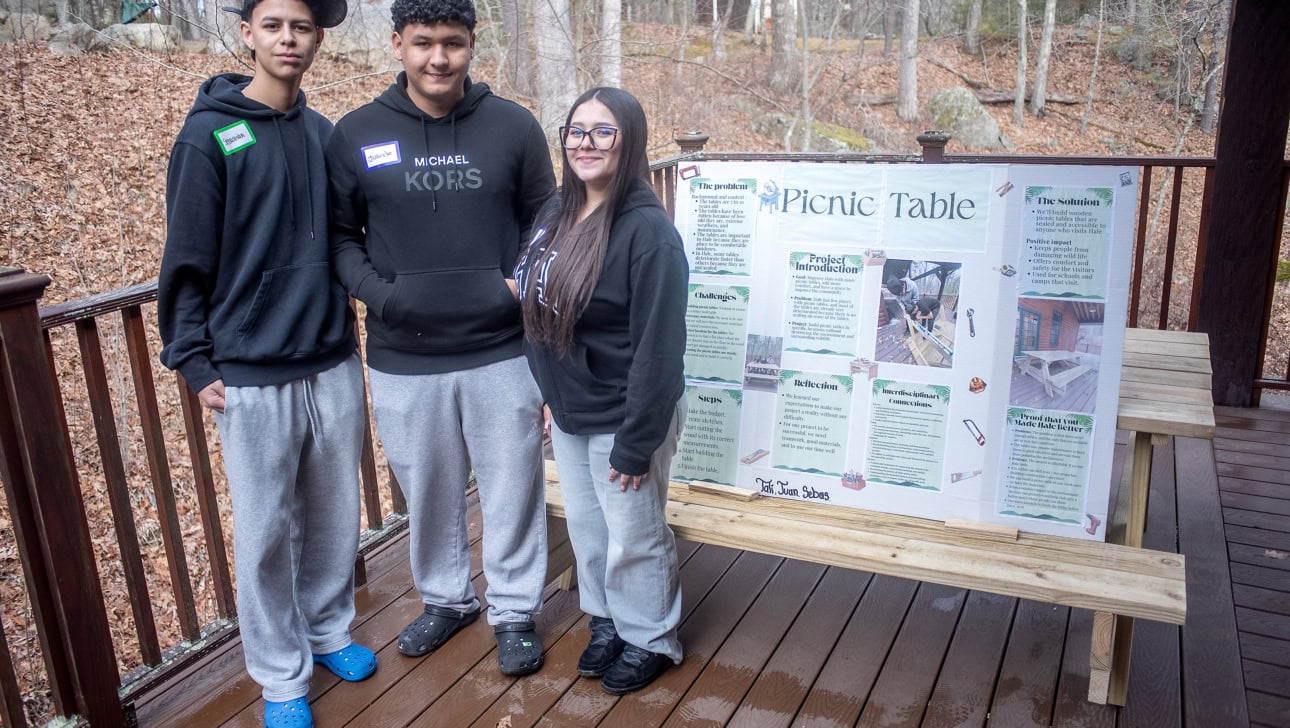
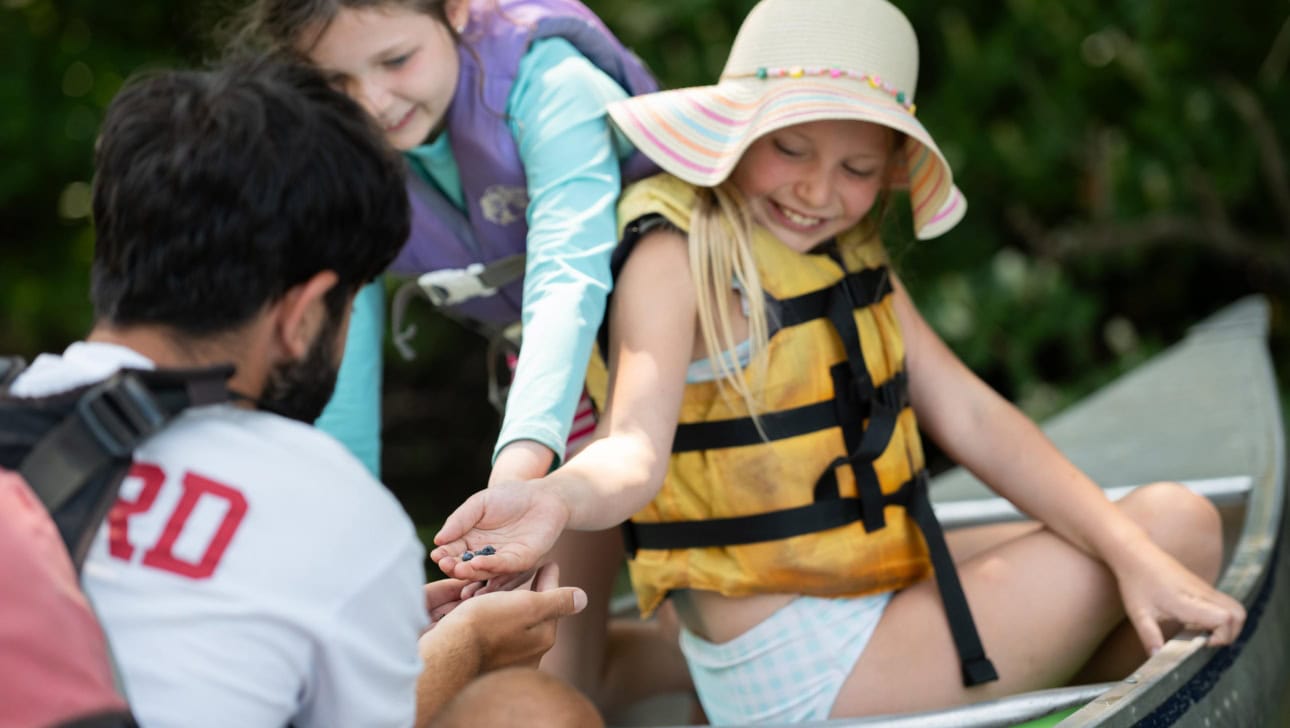
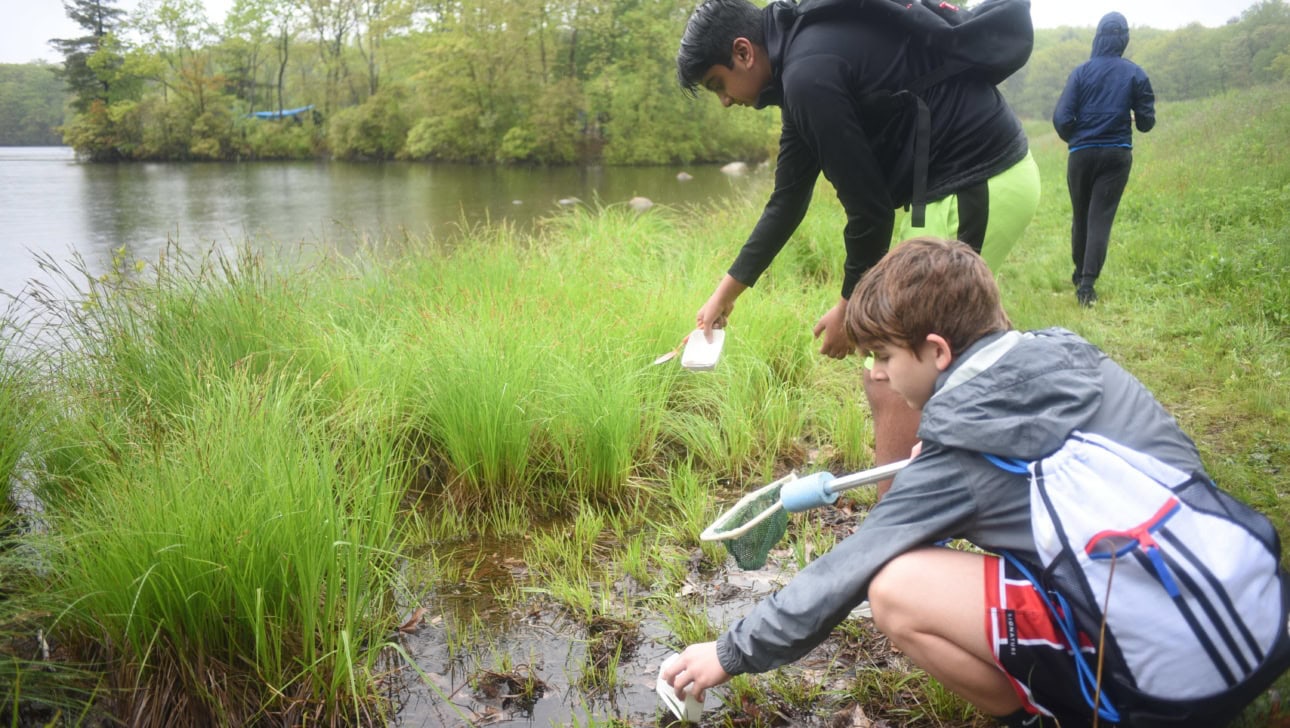
At the heart of our mission is the belief that nature is a powerful teacher. By permanently protecting it, we’ve ensured Hale’s landscape will continue to serve as a living classroom for future learners. From hands-on science and environmental education to outdoor leadership, teamwork, and exploration, Hale’s programs can flourish and grow. As we expand camps, deepen school partnerships, and develop new opportunities that connect students to the outdoors, we’ll create a new generation of environmental advocates and engaged citizens.
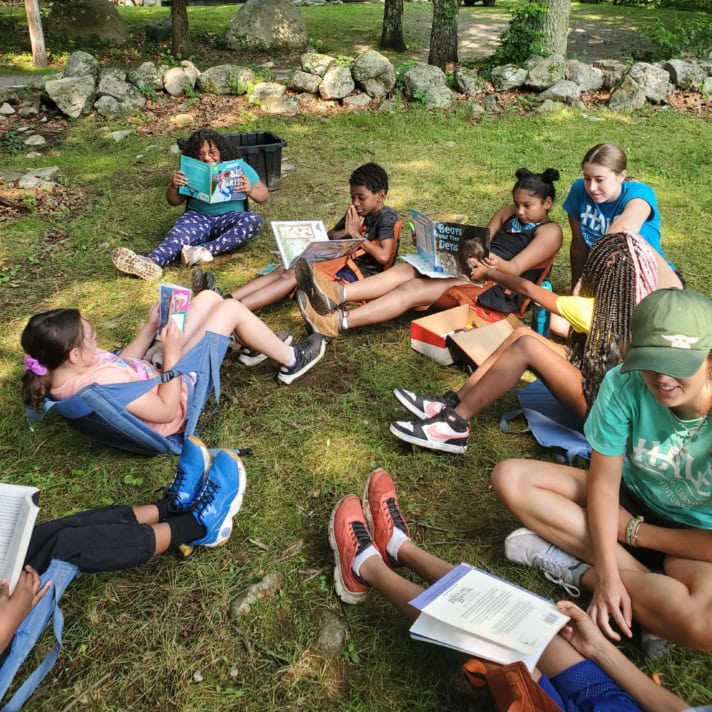
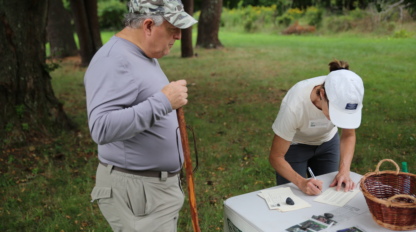
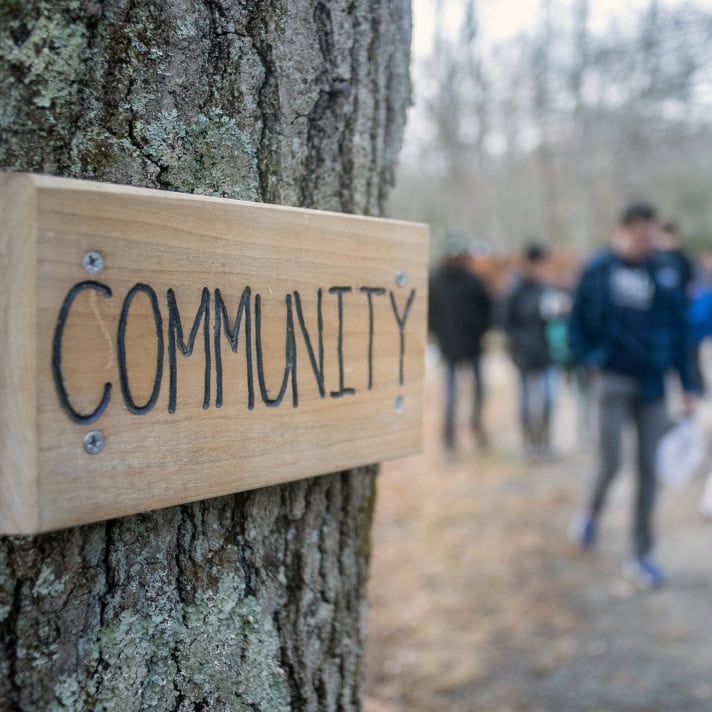
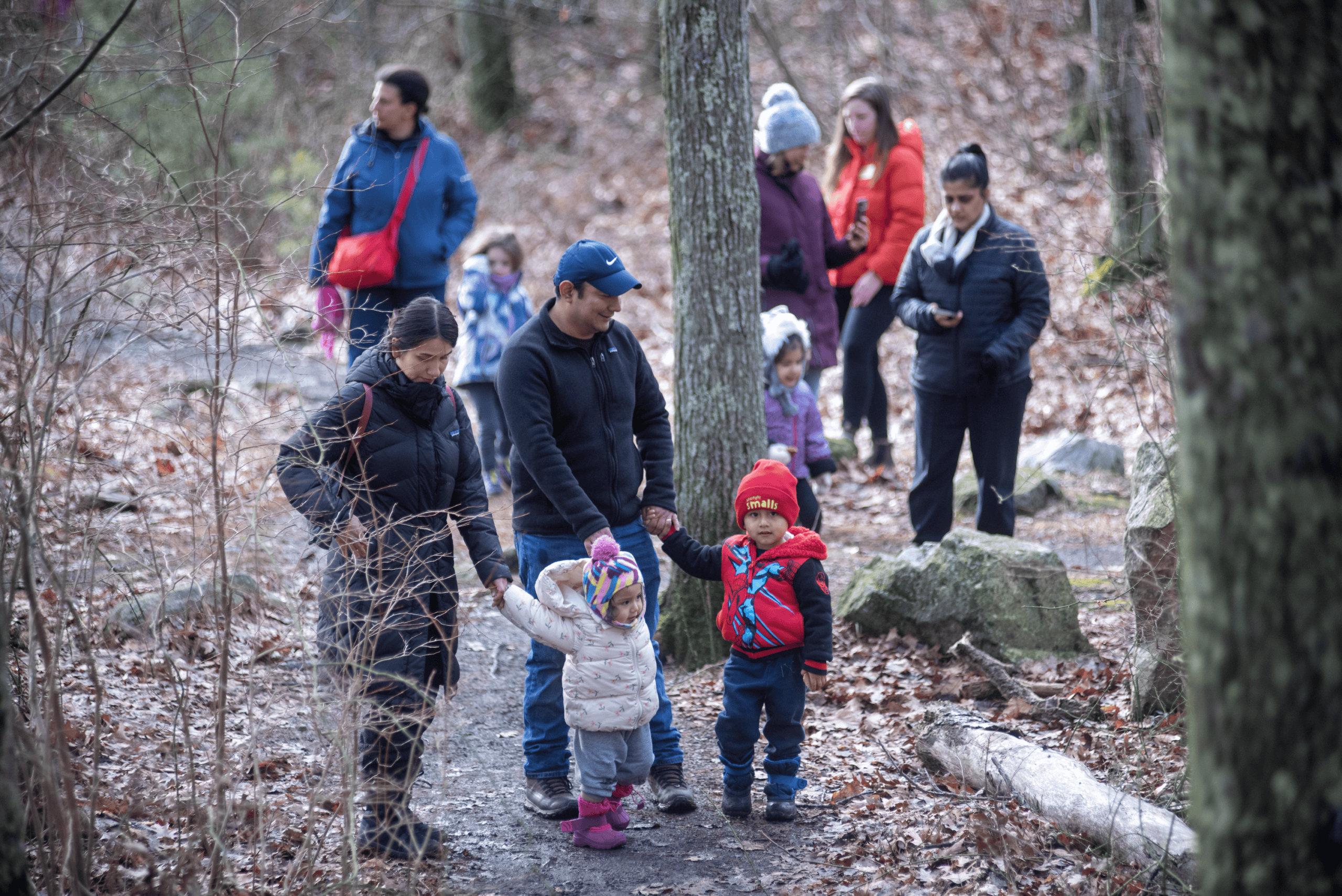
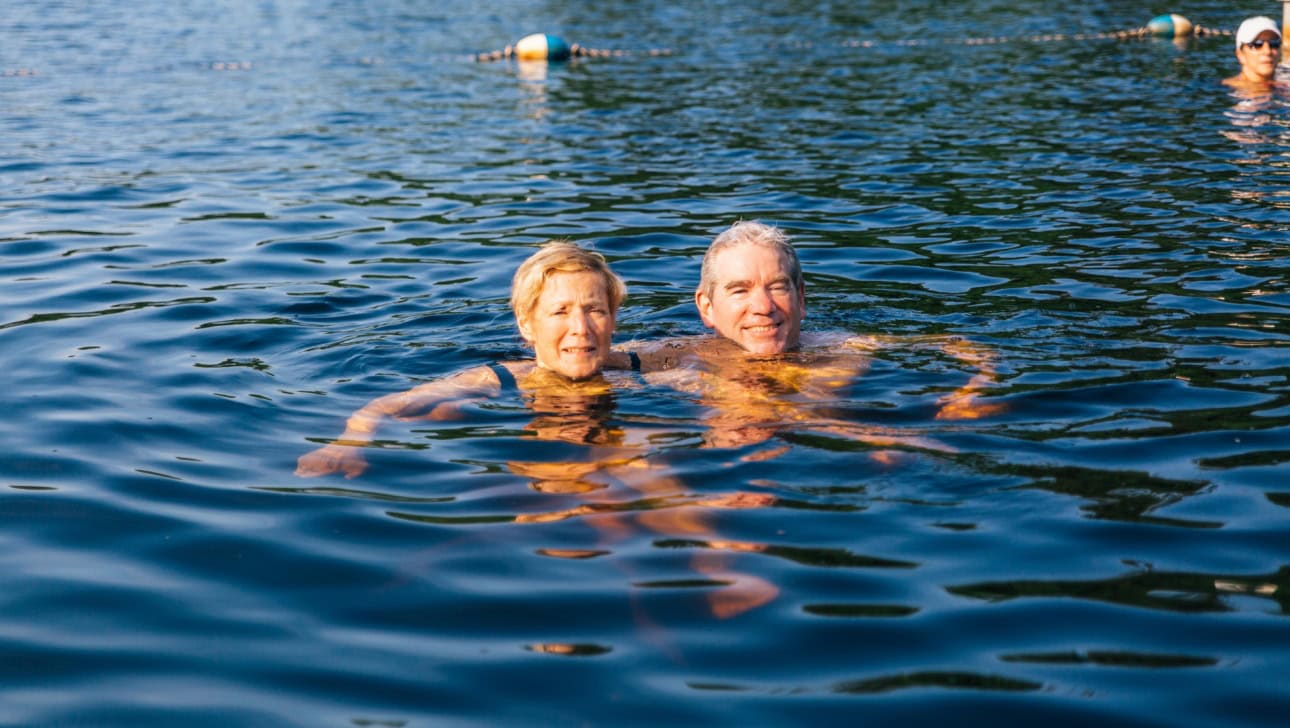
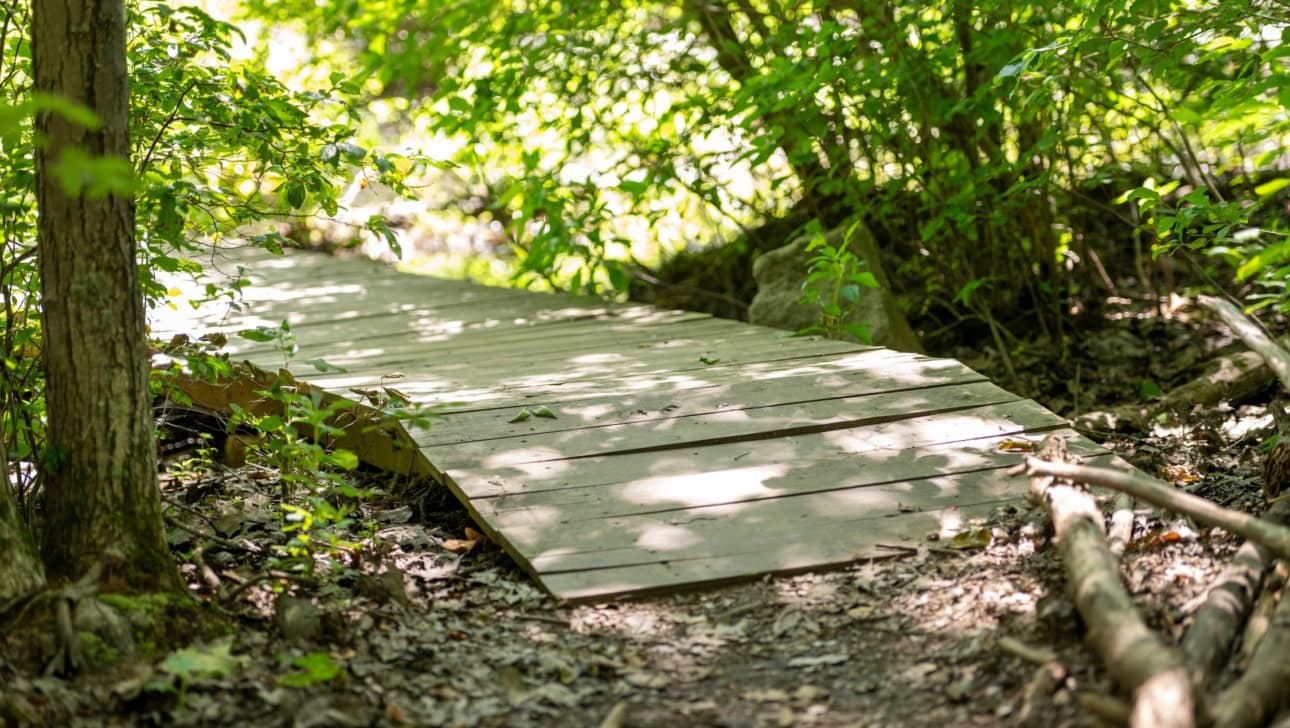
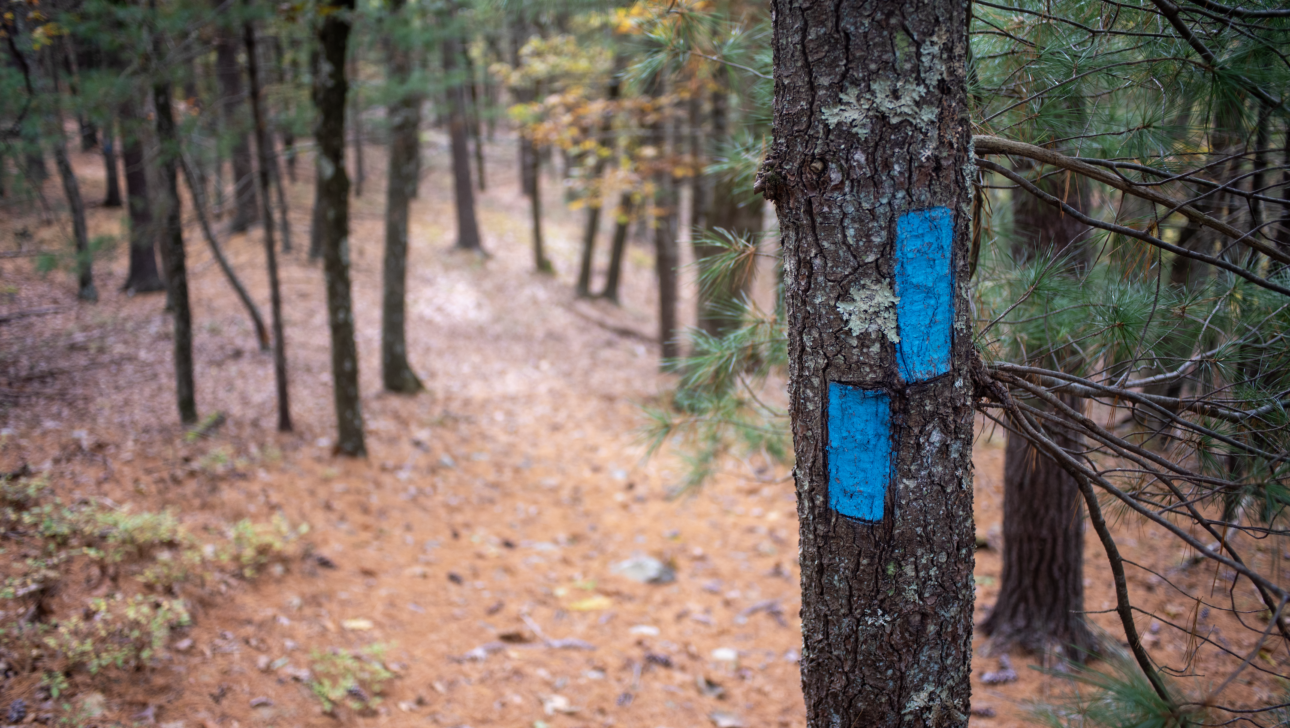
For generations, Hale has been a place where people come together to connect, explore, and learn. Conservation guarantees this promise will be kept — that this shared space will serve as a resource for the entire community, forever. While many have long enjoyed Hale’s trails, that access was not legally assured. Now it is, and miles of trails are permanently protected for public use.
A Community’s Commitment
An extraordinary group of supporters helped us achieve permanent protection of this open space.
Inspired by dozens of dedicated volunteers, over 3,000 individuals, foundations, and corporations came together to contribute more than $38 million to the Campaign for Kids, Conservation, and Community. Their generosity created a philanthropic legacy, expanding opportunities for children, strengthening facilities, and permanently protecting the land that makes Hale’s work possible. Funds raised will sustain Hale’s future by shoring up our endowment and nurturing our programs, and we are deeply grateful to everyone who made this vision possible.
Many groups worked alongside Hale to advocate for land protection, including the Dover Land Conservation Trust, Dover Open Space Committee, and Westwood Environmental Action Committee. Together, we stand united in our belief that open space plays an invaluable role in our local community and regional ecosystem.
As we look to the future, two organizations will ensure ongoing protection and stewardship of Hale’s land: We’ll continue to partner with the Westwood Land Trust to monitor our 30-acre Sen Ki parcel, and we’re pleased to partner with The Trustees of Reservations to monitor 1,109 newly protected acres.

Pollinator Pathway
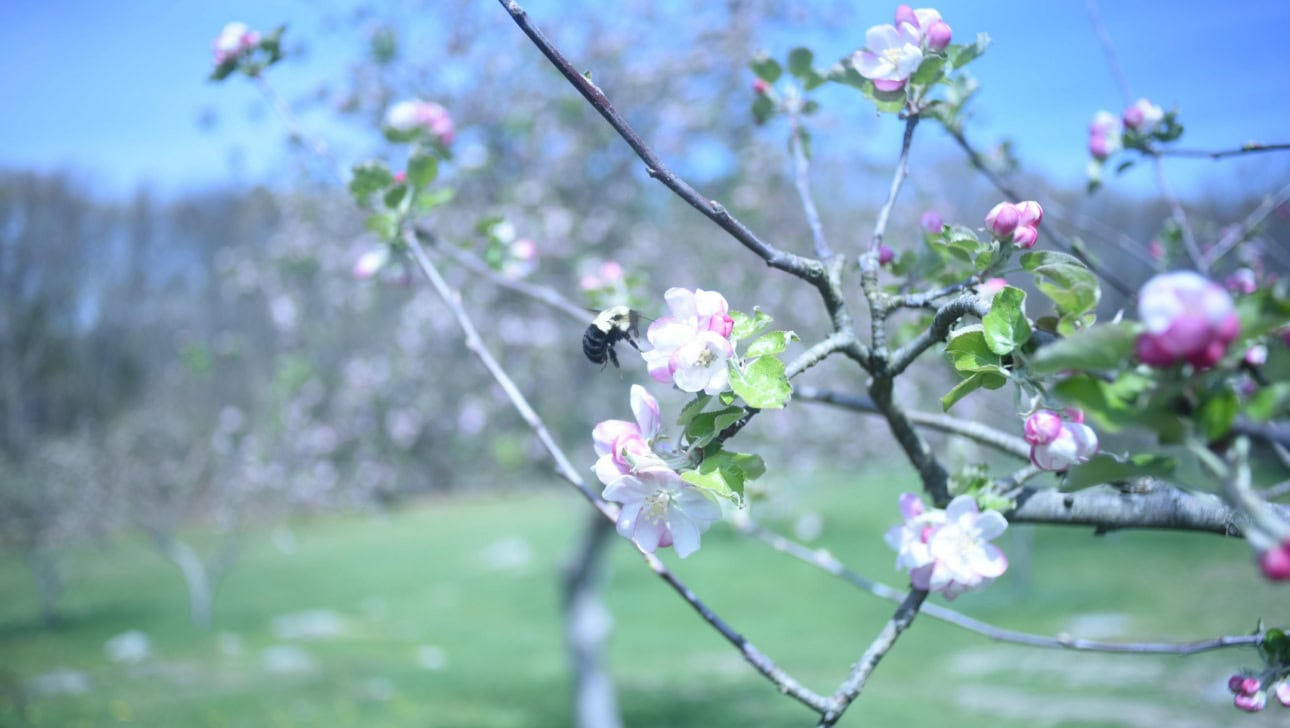
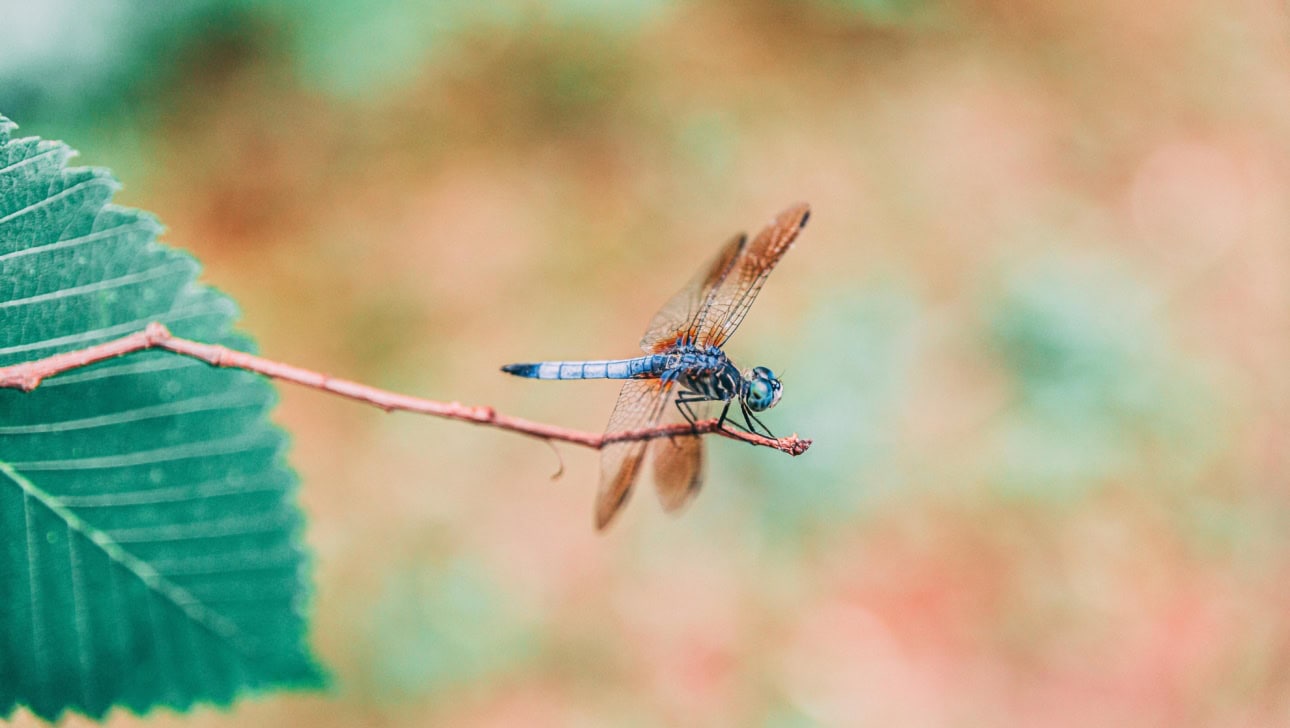
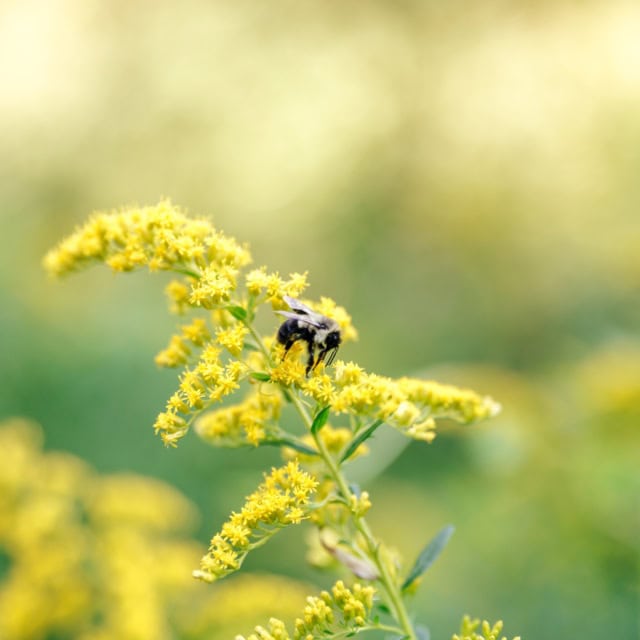
Hale is proud to participate in the Pollinator Pathway initiative, which is working to establish pollinator-friendly habitat and food sources for bees, butterflies, hummingbirds, and other pollinating insects and wildlife.
Public and private pesticide-free corridors of native plants provide nutrition and habitat for pollinating insects and birds.
Pollinator Pathway
Community Solar Farm
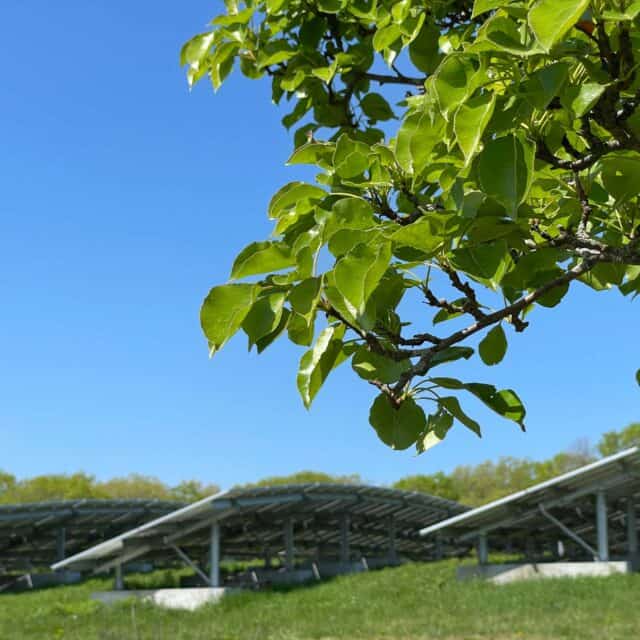
PureSky Energy’s Buckmaster Pond Solar Farm‘s array of panels is situated on a capped landfill south of Dover Road. The farm captures and shares the sun’s energy with our neighbors, and solar share customers enjoy lower electricity bills and reduced carbon footprints. Annually, the farm produces enough energy to power over 250 homes or businesses and reduces CO₂ by nearly 3 million pounds, the equivalent of removing 290 gas-powered vehicles from the road.
Solar farms help the local grid reduce its reliance on fossil fuels, significantly lowering air pollution and contributing to a cleaner, more sustainable environment.
PureSky Energy
Frequently Asked Questions
Hale’s historic protection of more than 1,100 acres of forests, trails, and open space in Dover and Westwood invites curiosity. Below are answers to common questions about what it means for you, the community, and the future of Hale.
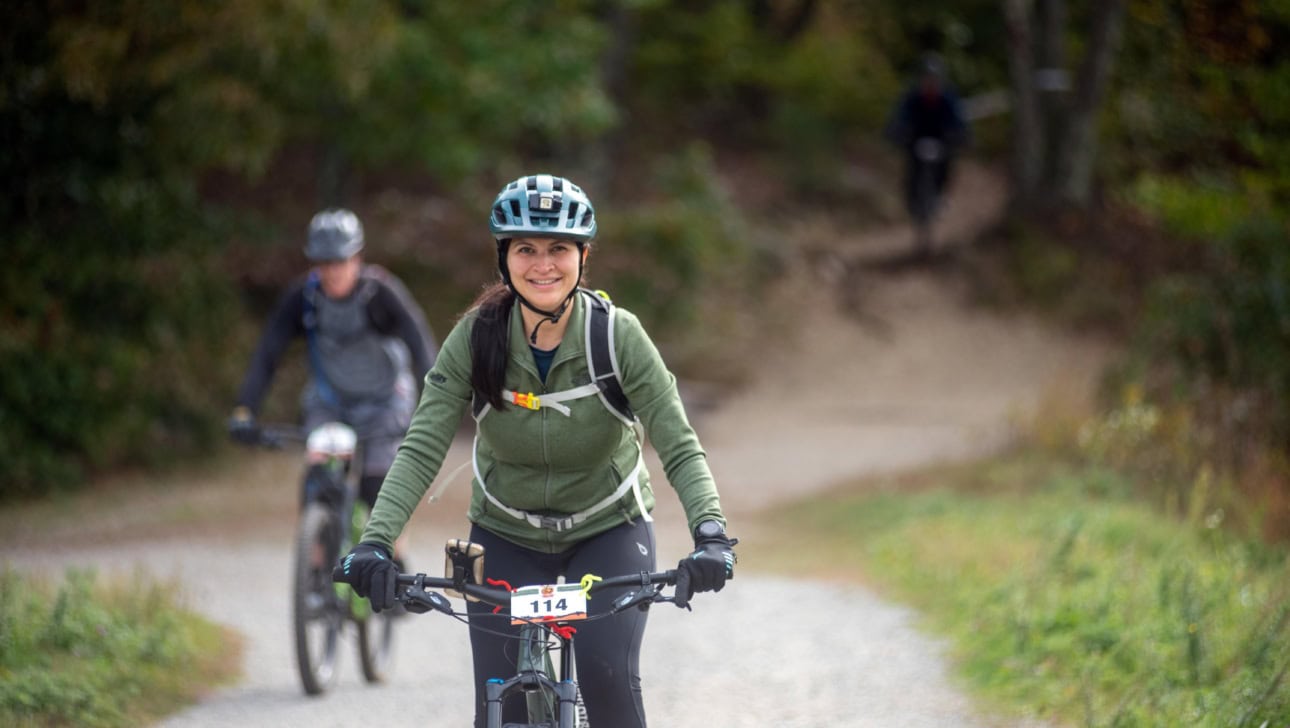
Yes! Even better, that’s now guaranteed — and we’ve eliminated our daily parking fee, too. Thanks to conservation restrictions, Hale’s trail network is legally protected for public use, ensuring it will remain open for hiking, dog walking, bird-watching, mountain biking, snowshoeing, and other non-motorized recreational activities. While Hale has allowed public access for years, conservation restrictions assure public access forever. Click here to explore the many ways you can enjoy Hale.
Protected open space improves air and water quality, supports wildlife, helps prevent flooding, and stores carbon. It also provides a place for people to connect with nature, which benefits both physical and mental well-being. With more than 1,200 acres, Hale was already one of the largest contiguous tracts of private land in the Boston metro region — and now it’s Greater Boston’s largest privately owned, publicly accessible open space protected by conservation restrictions.
A conservation restriction (CR) is a voluntary, legally binding commitment between a landowner and a qualified holder, which can be a land trust or a municipal or state agency. Once in place, a CR is permanent, regardless of any future changes in land ownership. A CR protects the conservation value of the land — such as water quality, wildlife habitat, agriculture, and scenic views — by permanently limiting how it can be used.
Not at all. Hale is still an independent nonprofit, and it still owns and manages the land. Our conservation restrictions simply ensure the land can never be developed for purposes that do not provide education and recreation for the community.
Since a landowner can’t be responsible for overseeing enforcement of its own conservation restriction, The Westwood Land Trust and The Trustees of Reservations will be responsible for monitoring Hale’s land to ensure compliance with the terms of the CRs.
The vast majority of Hale’s land is now permanently protected from development. Some limited development is allowed by the conservation restrictions, but it’s confined to specific areas and can only be for purposes related to our mission-based programs and services.
No. Hale secured over $38 million in private philanthropy to make the conservation restrictions possible. More than 3,000 individuals, families, foundations, and businesses supported our Campaign for Kids, Conservation, and Community, raising the funds necessary to achieve this conservation milestone.
Support the Land You Love
Conservation is more than an achievement, it’s a practice — and that takes everyone’s continued support. Will you help us steward this land we’ve worked together to protect?
Make Your Gift
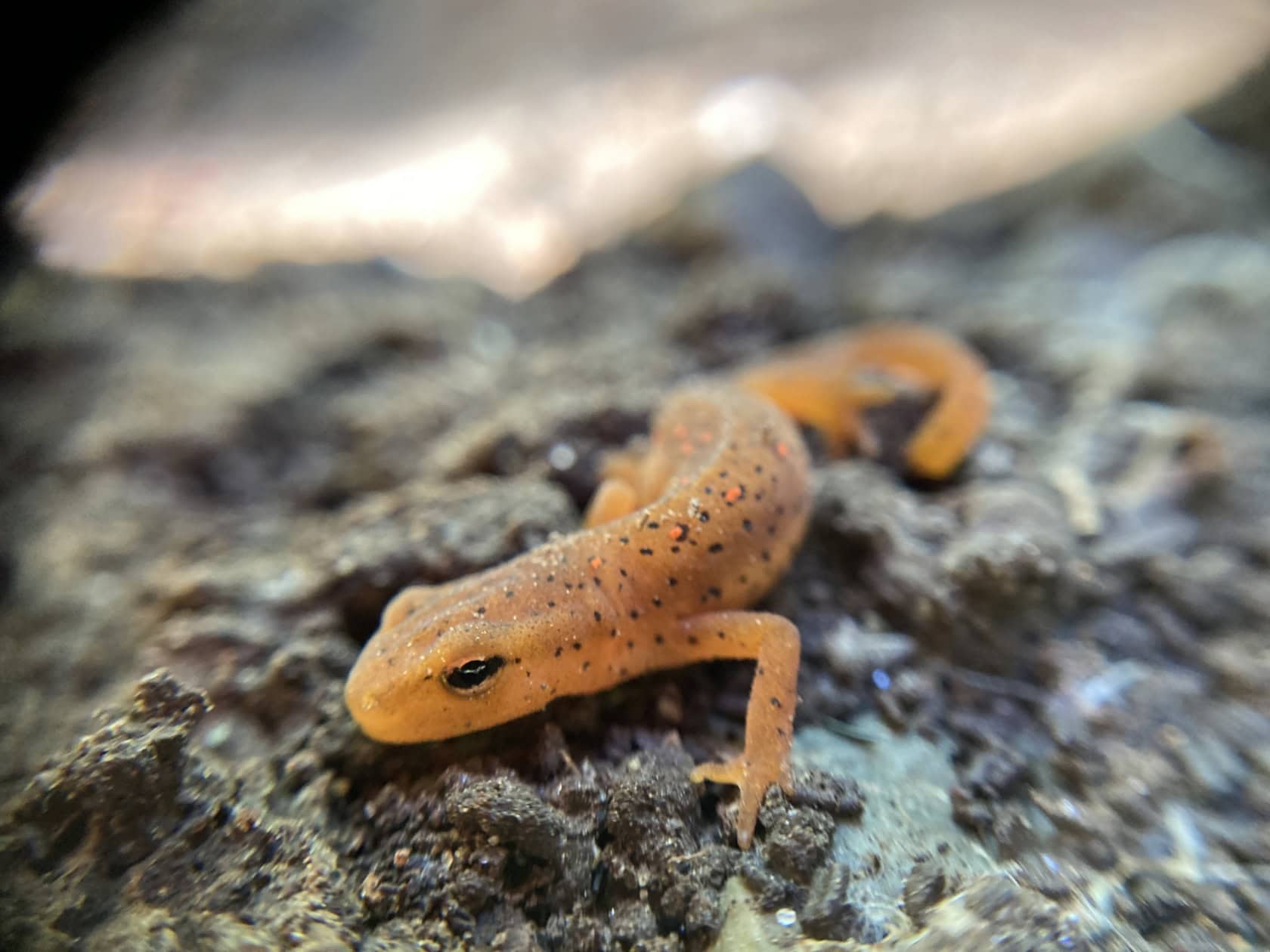
Protect Nature
Make a gift, explore our programs, and get involved. Join us in promoting land stewardship that creates a brighter tomorrow for future generations. Together, we ensure that Hale will always be a place where nature, learning, and community thrive.