Home Sweet Home for Hale’s Wildlife
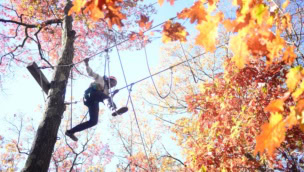
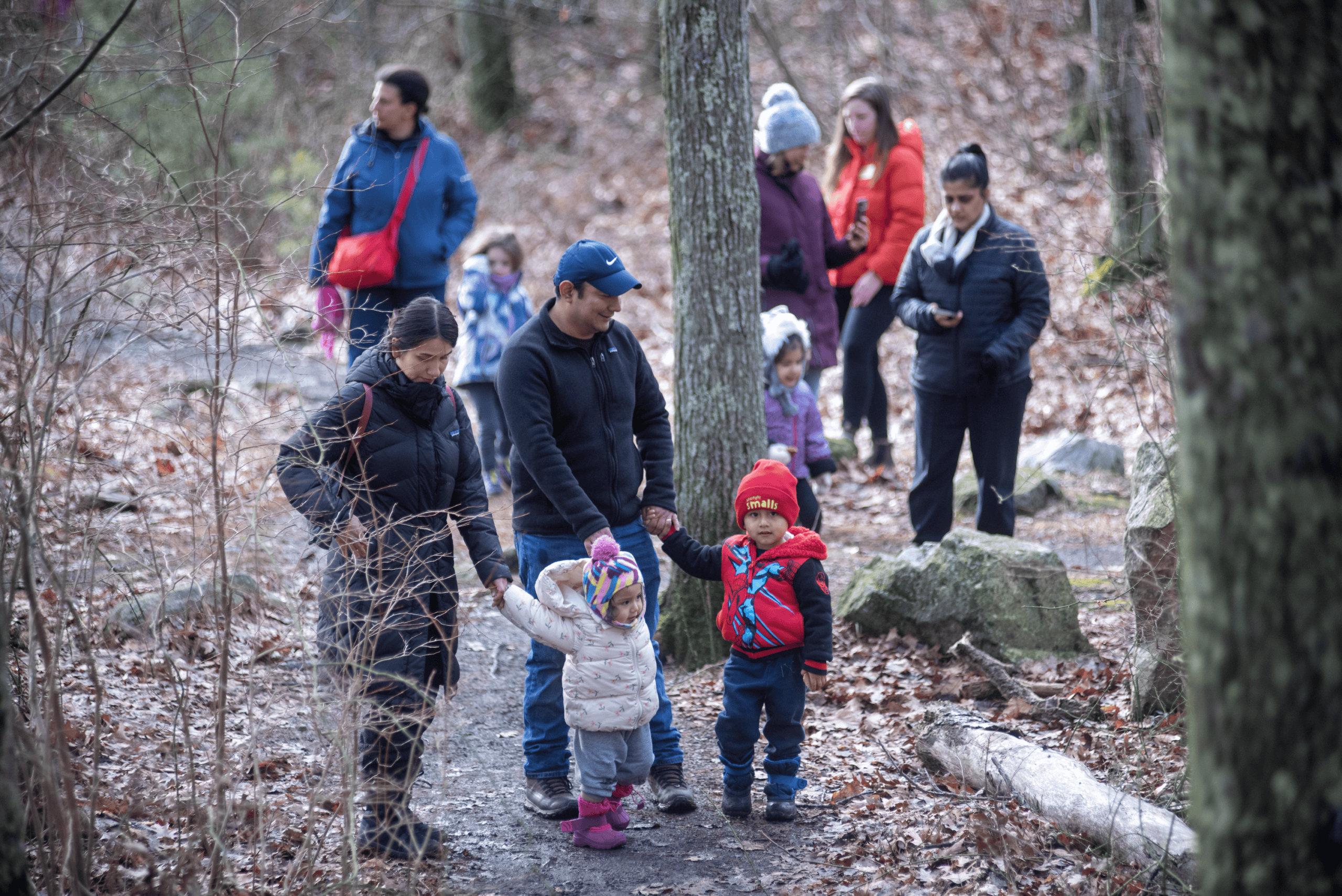
Human families and friends love summer at Hale: Parents teach children to paddle their first canoe. Campers learn to identify animal tracks and navigate trails. Friends gather at the beach. New traditions take root. But people aren’t the only ones who enjoy the season here!
Across Hale’s forests, ponds, and wetlands, birds feed hungry nestlings from dawn until dusk. Beavers teach young kits to maintain dams and lodges. Amphibians begin life in the water before venturing onto land for the first time.
While thousands of kids and adults come to Hale every year to learn, grow, and connect with the outdoors, countless other species do, too. Summer is their busiest season, and much of it unfolds just beyond the edges of our trails.
Engineers of the Wetlands
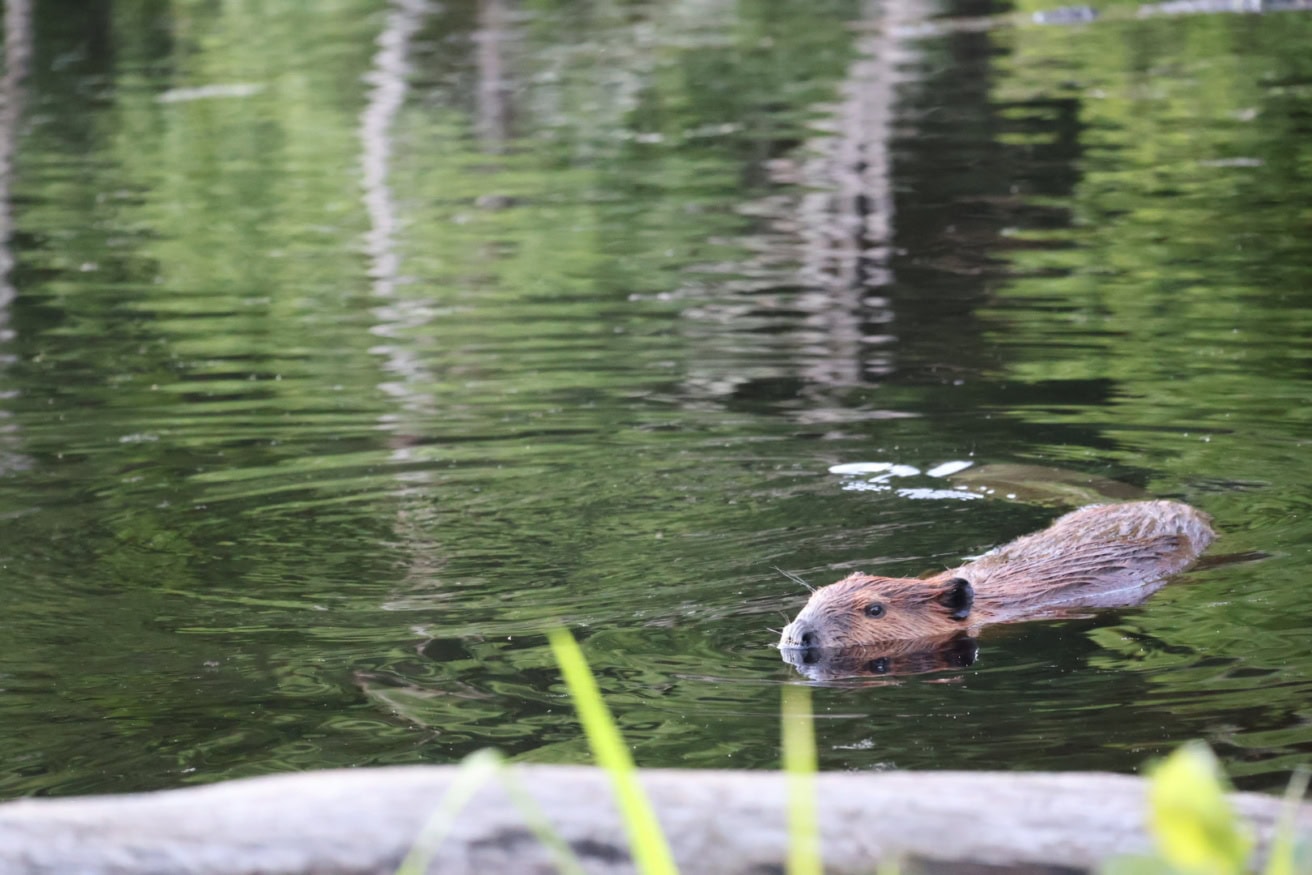
Beavers are among Hale’s most influential residents. A single beaver colony can reshape an entire section of habitat by building dams and lodges. These structures create ponds and wetlands that benefit fish, amphibians, insects, birds, and countless other species.
Beavers are remarkable parents, with offspring often remaining with the family for up to two years before setting out on their own. Summer is a busy time for young kits as they grow and learn the skills they need to survive.
The wetlands created by beavers do more than support wildlife. They also help filter water, reduce erosion, and store floodwaters during heavy rainstorms.
Once nearly eliminated from Massachusetts through trapping, beavers have successfully returned to nearly every region of the state, demonstrating how wildlife can recover when habitat is protected.
A Chorus of Birds
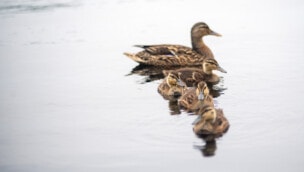
Summer mornings at Hale begin long before most campers arrive. From warblers and woodpeckers to chickadees and thrushes, birds are hard at work feeding hungry nestlings. Some species make hundreds of trips a day carrying insects back to their nests.
More than 300 bird species are recorded in Massachusetts each year, and many depend on forests, wetlands, and open spaces like Hale to breed successfully.
If you notice birds gathering under roof eaves, nesting in cavities, or calling loudly from the trees, you may be witnessing parents keeping watch over their growing families. The seemingly ordinary sights and sounds of summer often signal extraordinary efforts happening just out of view.
These breeding habitats matter now more than ever. Scientists estimate that North America has lost nearly 3 billion birds since 1970, making the protection of healthy habitat increasingly important.
Tiny Creatures, Big Transformations
Some of Hale’s youngest residents begin life underwater. Massachusetts is home to approximately 30 native amphibian species, including frogs, toads, salamanders, and newts. Many depend on healthy wetlands and vernal pools to reproduce successfully.
Amphibians like frogs, toads, and eastern newts spend the summer undergoing remarkable transformations. Tadpoles develop legs, absorb their tails, and gradually transition from aquatic life to life on land. Eastern newts follow an even more remarkable journey, spending part of their lives in water, part on land, and then returning to aquatic habitats as adults.
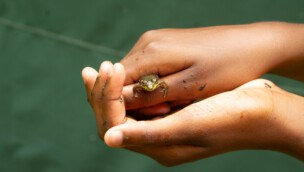
Because amphibians absorb water through their skin, they are often considered indicators of environmental health. It’s also an important reason we avoid handling them, especially if we have substances like sunblock or bug spray on our hands! When amphibians thrive, it is often a sign that the surrounding ecosystem is healthy as well.
For every chorus of frogs heard from a wetland to every newt spotted crossing a trail after summer rain, a larger story unfolds about the health of the landscape around them.
Why Protected Land Matters
When people think about conservation, they often picture protecting forests, ponds, or scenic views. Those things matter. But conservation is also about protecting the conditions that allow wildlife to thrive.
Every nest, den, burrow, lodge, pond, and breeding habitat depends on having enough connected land to support it. That habitat is becoming increasingly rare. According to the 2025 Massachusetts Climate Report Card, the Commonwealth lost approximately 4,800 acres of natural and working land per year between 2020 and 2024. Natural and working lands provide critical carbon removal and carbon storage. They protect flora and fauna biodiversity, and provide a natural buffer and cover for extreme weather like flooding and excessive heat.
Protecting our lands means protecting far more than trails and scenery. It means safeguarding nesting sites, breeding habitat, migration corridors, wetlands, and the countless wildlife families that depend on them every summer.
Conservation is not simply about preserving land. It is about ensuring that the stories unfolding across that land, from a young bird leaving the nest to a thriving army of frogs, can continue for generations to come.
Learn more about Hale’s conservation efforts here.