




How We Build a More Resilient Massachusetts Together
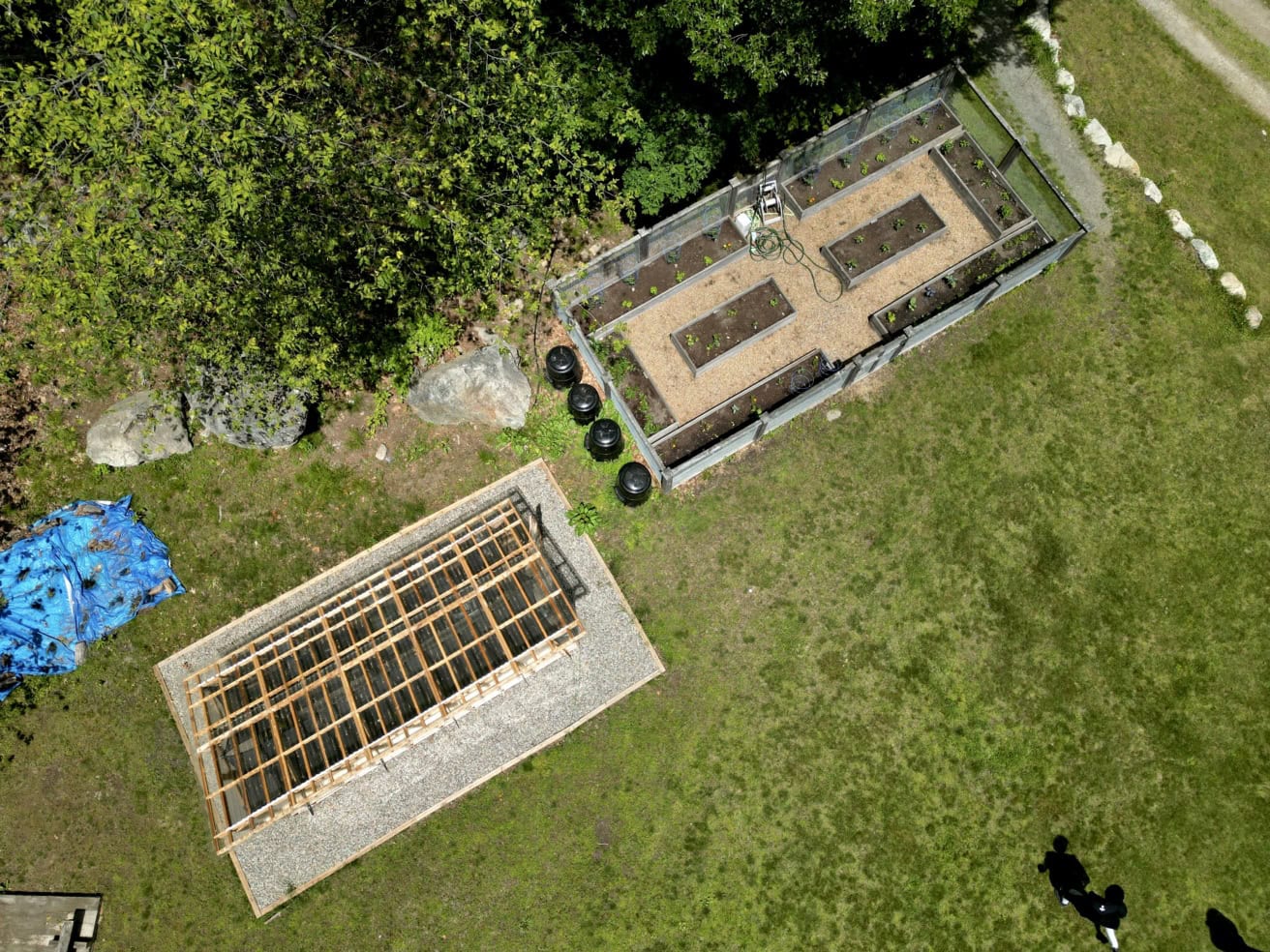

January 2026 — Over the winter break, my husband and I packed ourselves, our two kids, and our large dog into the car for an epic family road trip: 2,700 miles through 12 states, 6 cities, 5 national parks, and countless gorgeous landscapes spanning the eastern United States.
American author and poet Katharine Lee Bates wasn’t using artistic license or hyperbole. We quite literally saw purple mountains, amber waves of grain, and incredible, spacious skies, along with stunning forests, sinkholes, rivers, lakes, gorges, caves, wildlife, and sunsets. Little else can yield such awe, calm, inspiration, and gratitude.
Here in our district, throughout Massachusetts, and across our country, natural resources sustain our communities, public health, and economy. As we share the benefits of these resources, we also share the responsibility of their stewardship. It’s just as true now as when I first entered public service: Protecting our environment is a partnership, and every one of us has a role to play.
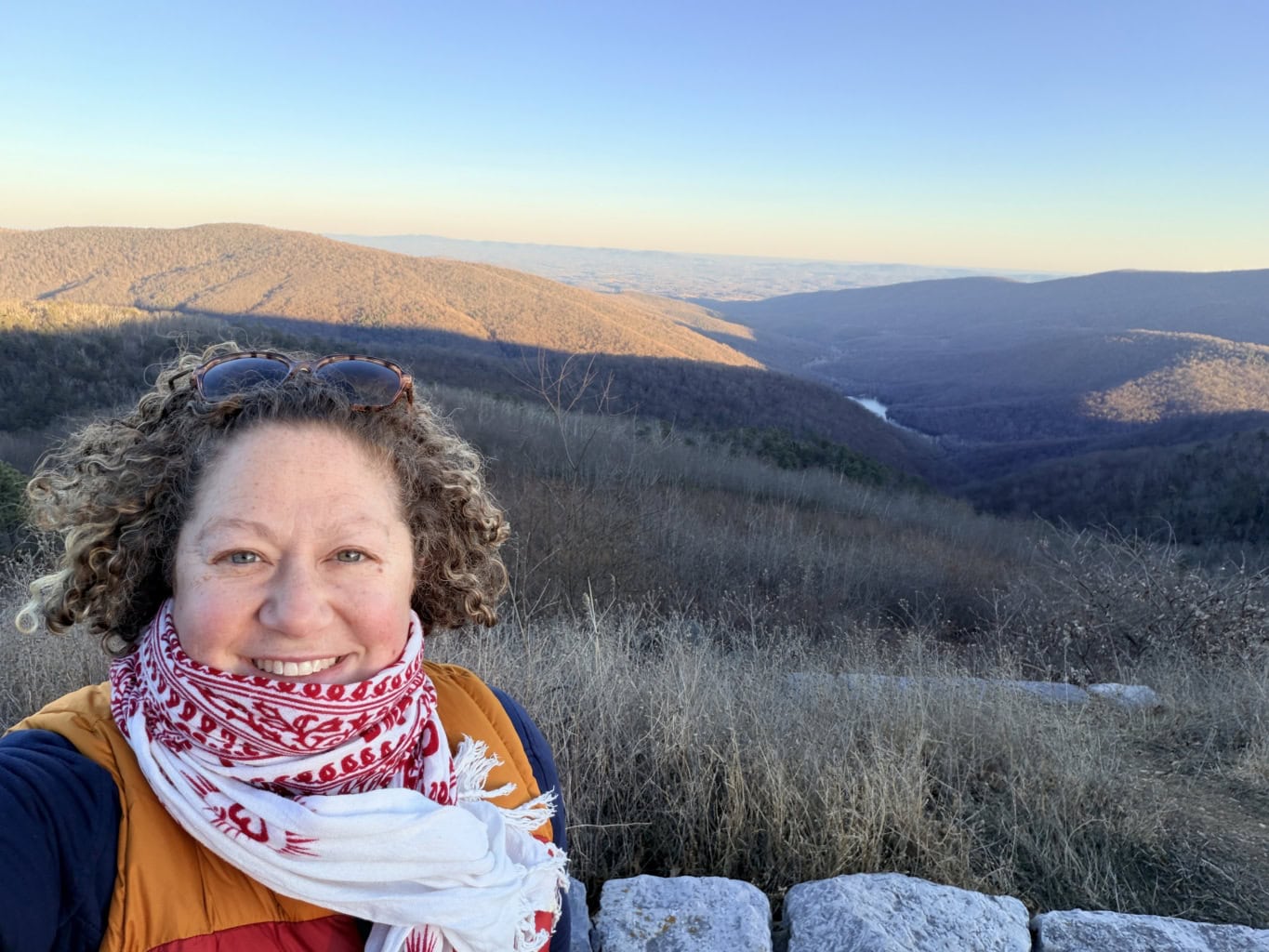
As Chair of the Joint Committee on Environment and Natural Resources, I spend a significant portion of my time working on legislation that supports open space preservation, strengthens protections for waterways, reduces plastic waste and other pollution, and much more. These policies matter deeply. And, like all bills (especially ambitious ones), they become law when they are uplifted by an engaged public.
I’ve met residents who started composting because they wanted to teach their children about reducing waste. I’ve heard from volunteers who spend their weekends monitoring water quality in local streams. I’ve worked with neighborhood groups that protect pollinators, plant trees, pick up trash, and restore habitats. These are not small efforts. They are powerful demonstrations of how personal choices and community participation build the foundation for long-term environmental resilience and natural beauty.
Just as individuals strengthen community efforts, civic engagement strengthens legislative action. When constituents speak up, whether by testifying at a hearing, writing to elected officials, or participating in local forums, they can influence priorities on Beacon Hill. Many effective environmental policies began with conversations sparked by engaged residents who recognized a need and voiced it. This has been particularly true, and especially inspiring, when voices span the spectrums of identities, including race, religion, ethnicity, and age. Indeed, some of the most powerful environmental advocacy I’ve heard came from young people, not yet even eligible to vote.
I hope every person in Massachusetts sees themself as both a beneficiary of a healthy environment, and an essential partner in preserving it. That means taking steps in our everyday lives to reduce our personal environmental footprints, minimize waste, and participate in local conservation projects. It also means paying attention to policy proposals and decisions that affect our climate, water, air, soil, flora, fauna, and open space, and effectively advocating for feasible and meaningful change.
Environmental stewardship is an opportunity to protect what we love and need, to build stronger and more connected neighborhoods, and to safeguard our future. Working together as individuals, communities, and governments — we can have extraordinary impact.
This article originally appeared in the 2026 issue of Hale Magazine. To learn more about Hale’s work in conservation and sustainability, click here.